

dailyfuelpdx Logo Dailyfuelpdx Contact Us
Contact Us

The Claddagh: History and Hidden Corners

This historic fishing village has more stories than you'd think. Discover the buildings that matter, the views worth seeking out, and what made this place special for centuries.

9 min read All Levels June 2026
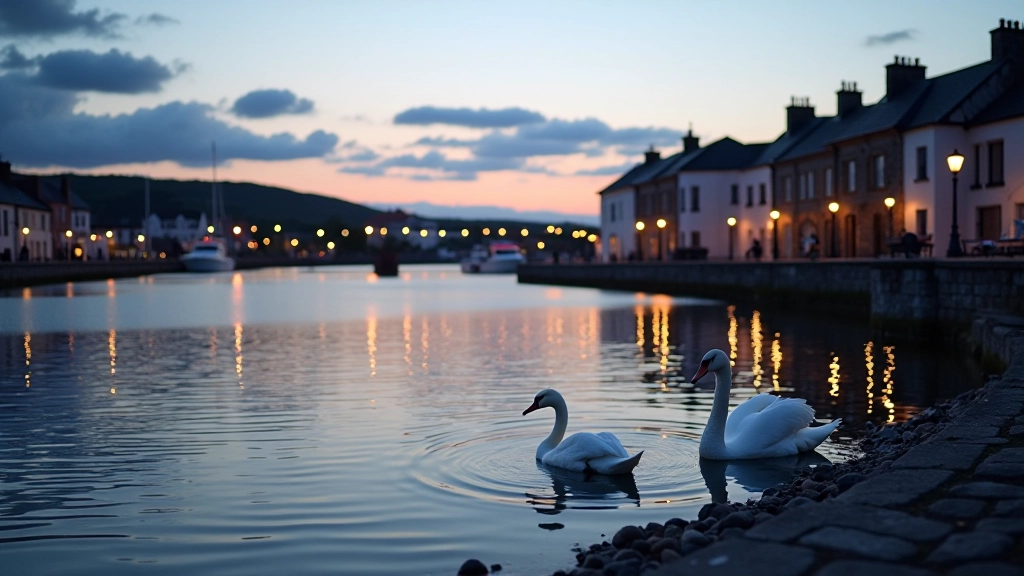
Serene view of Claddagh Basin at sunset with swans swimming peacefully near traditional thatched cottages
Siobhan O'Connor

Author

Siobhan O'Connor

Senior Travel & Lifestyle Editor

Award-winning travel journalist with 16 years' experience writing about Ireland's coastal destinations and accessible leisure experiences for older travellers.

Where It All Began

The Claddagh's story starts with fishing. For centuries, this small area along Galway Bay wasn't a tourist destination — it was home to working fishermen and their families. They built their lives around the tides, the boats, and the rhythms of the sea. You can still feel that heritage walking through the narrow lanes today.

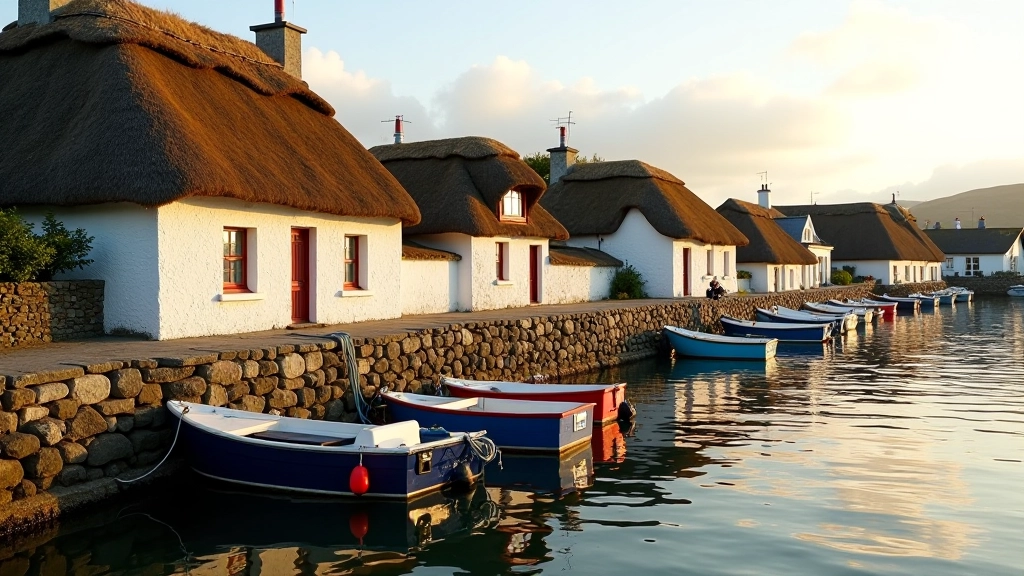
What's fascinating is how much the neighborhood changed while staying essentially itself. The traditional thatched cottages you see now are carefully preserved — some are actual homes, others have been converted into galleries and small shops. But the bones of the place, the feeling of it, hasn't fundamentally shifted. It's still a working waterfront with genuine character.

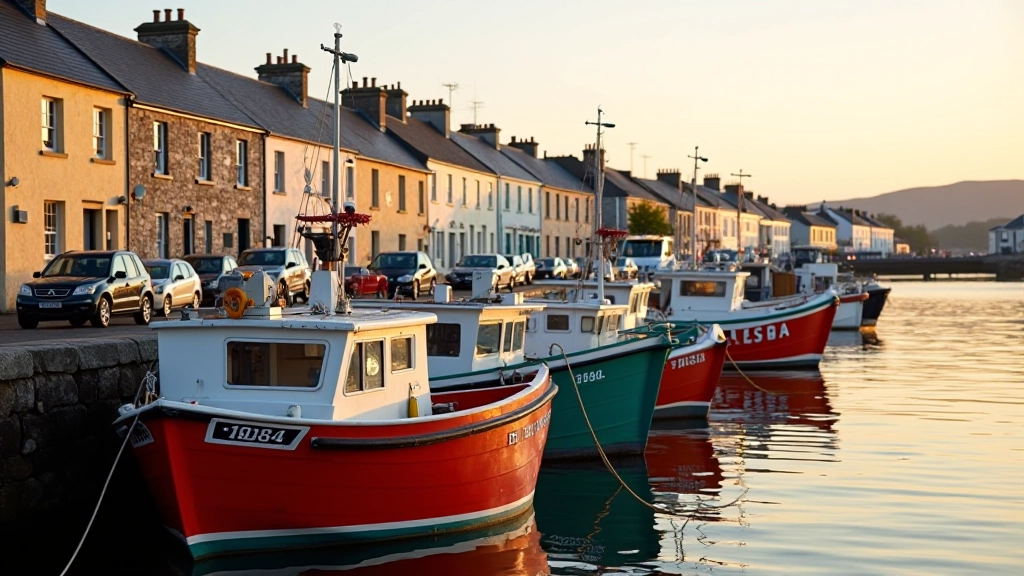
Traditional thatched stone cottages along the Claddagh waterfront with colorful fishing boats moored nearby
Historic Claddagh ring displayed with intricate hands, heart, and crown detail on aged parchment background

The Ring and the Real Story

Most visitors know about the Claddagh ring — hands, heart, crown. It's become this iconic symbol of Irish romance and commitment. The legend says it originated here in the 17th century when Richard Joyce was captured by pirates and enslaved as a goldsmith. He supposedly made the ring in secret and sent it home. It's a good story. Whether it's entirely true? That's less certain, and honestly, that makes it better.

The real Claddagh story is about resilience. Fishing families lived here for generations — literally generations, the same families in the same lanes. They didn't have much, but they had community and skill. They knew the water, knew the seasons, understood how to survive on a narrow margin. You'll notice the houses are built close together. That wasn't just about space. It was practical — shared walls meant shared heat, shared resources.

Key Detail: The Claddagh's population was largest in the early 1800s — roughly 600-700 people in what's now a small neighborhood. Most worked directly in fishing or fish-related trades.
What You'll Actually See

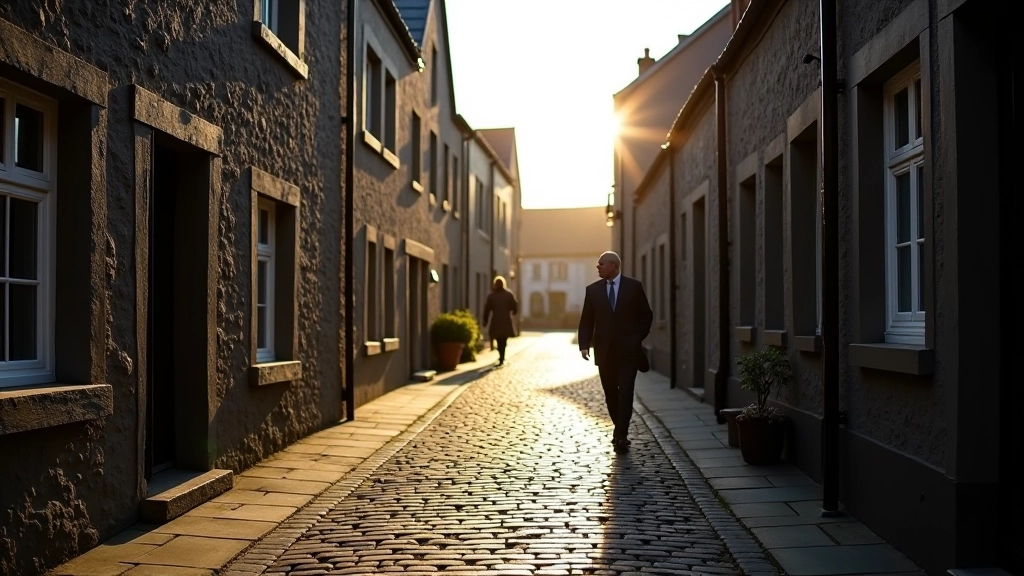
Walking the Claddagh isn't about checking off monuments. It's about noticing details. The doorways — they're lower than modern doors because people were shorter then, and the ceilings inside are surprisingly modest. The windows are small because glass was expensive and heat was precious. Every architectural choice tells you something about how people lived here.

Start near the water at Claddagh Quay. You'll see the boats — working boats, not tourist attractions. Then move inland along the lanes. The Church of St. Nicholas is worth a look if you're interested in religious architecture, but don't rush through the residential streets. That's where the character lives. Stop and look at the stonework, the way the buildings fit together, the way the space feels intimate and purposeful.

Pro Tip: The best time to visit is early morning or late afternoon when the light hits the water and the stone differently. You'll get better photos and fewer crowds.

Narrow cobblestone lane in the Claddagh with stone buildings on either side and soft morning light creating shadows

Hidden Corners Worth Finding

The Claddagh rewards wandering. These aren't secret in the sense that locals guard them, but they're not on the standard tourist route either.

1

The Basin Itself

Most visitors stay near the main streets. Walk down to where the water widens — the actual Claddagh Basin. You'll see working boats, water birds, and the curve of Galway Bay opening up. It's genuinely peaceful and gives you a sense of why people settled here in the first place.

2

The Doorways

Look closely at the doors and doorways. Some have carved stones, some are painted in specific colors. These details reveal when buildings were modified, restored, or lovingly maintained. It's like reading the timeline of the neighborhood on the facades.

3

The Quiet Lanes

Skip the main drag and turn down any side street. These narrow passages between buildings are where you'll understand the density and the community structure. They're not uncomfortable or unsafe — just authentically residential.

4

The Small Shops

There's a working jewelry maker, a gallery or two, a few cafes. These aren't tourist traps — they're genuine businesses run by people who care about the place. Pop in, chat with the owners if you feel like it, or just browse without pressure.

The Walking Experience

This isn't a long walk. You could cover the main streets in 30-45 minutes. But you won't want to rush. The Claddagh rewards slow exploration. Bring comfortable shoes — the cobblestones are authentic and uneven. Bring a camera if you like that, but don't feel obligated. Sometimes just sitting on the water's edge for 10 minutes tells you more than photos.

The neighborhood isn't frozen in time, and it shouldn't be. You'll see modern elements mixed with historic ones. There's a car parked next to a 300-year-old cottage. There's a contemporary gallery in a traditional building. That's actually the point — this is a living place where people work, live, and create. It's not a museum.

If you're visiting in summer, it'll be busier. Spring and autumn offer better light and fewer crowds. Winter is quieter still, though the weather's less predictable. Any season works — it just depends what kind of experience you want.

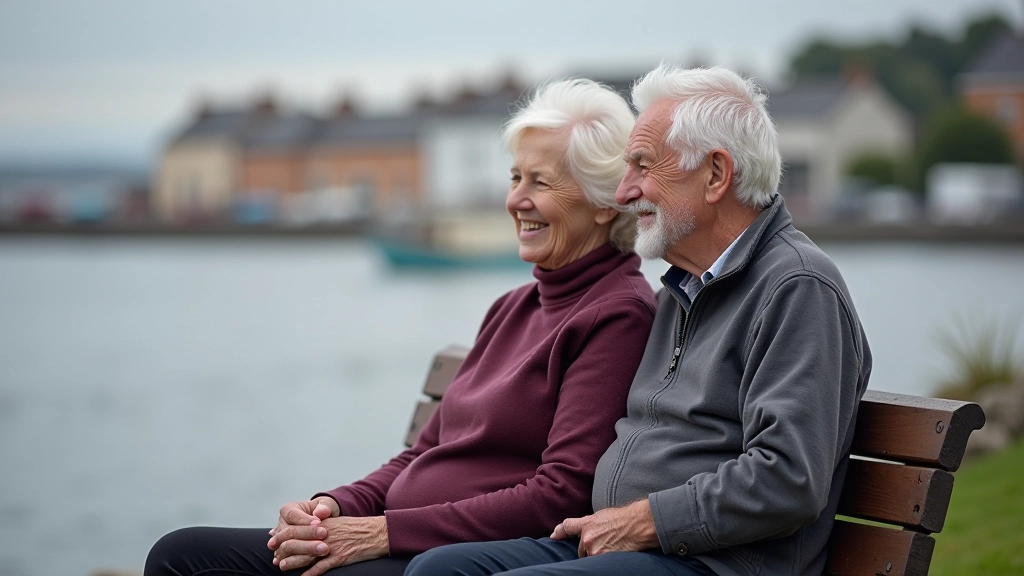
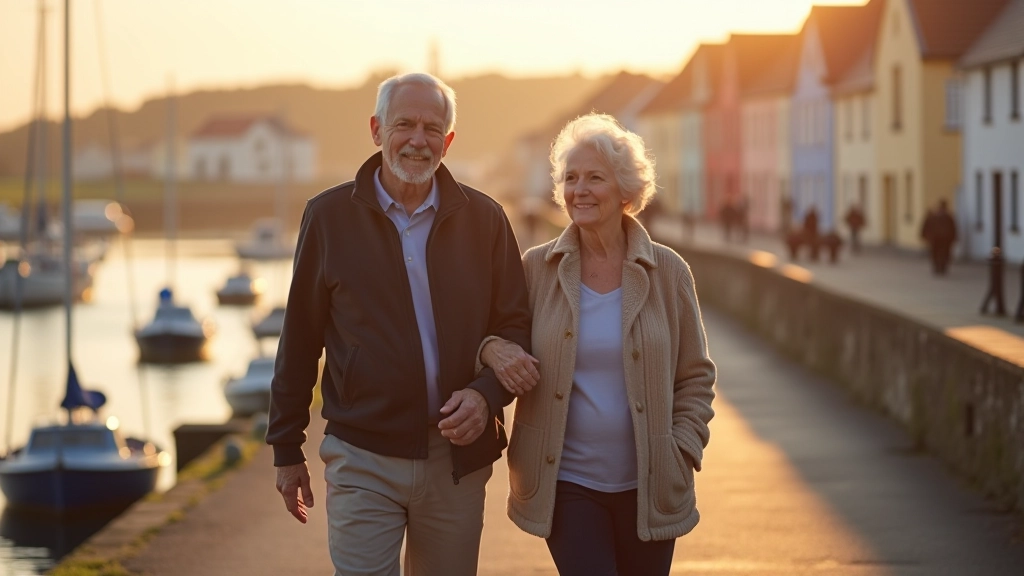
Mature couple walking together along Claddagh waterfront promenade with boats and buildings visible in background

Why the Claddagh Matters

The Claddagh is one of Galway's most important neighborhoods, but not because of grand monuments or famous events. It matters because it's genuine. The people who built this place didn't do it to impress anyone — they built it to live in, to fish from, to raise families. That authenticity is still visible if you look for it.

It's also significant because it survived. Urban areas get redeveloped, neighborhoods disappear, communities scatter. The Claddagh could've been bulldozed in the 1960s or 70s for modern development. Instead, people fought to preserve it. They recognized that this particular mix of history, community, and character was worth keeping. That decision means visitors today can actually experience what a historic Irish fishing village looked and felt like.

Whether you're deeply interested in history or just taking a pleasant walk, the Claddagh offers something real. It's a place where you can still sense the past without it feeling staged or artificial. That's increasingly rare, and it's worth experiencing firsthand.

Information Disclaimer

This article is provided for informational and educational purposes. While we've made efforts to ensure accuracy regarding historical facts and current conditions, circumstances can change. Local conditions, opening hours for businesses and attractions, and accessibility features may vary. We recommend verifying current details with local tourism offices or the specific locations you plan to visit. This content is not a substitute for professional travel planning or local expertise.