Walking the Galway Docks: A Complete Guide
The docks are alive with maritime history. Learn about the boats, the buildings, and the best times to visit when you'll see authentic activity without crowds.

Why the Docks Matter
Galway's docks aren't just a waterfront to walk past. They're a working harbour where you'll actually see things happen — boats loading cargo, fishermen sorting the morning catch, locals grabbing coffee at the water's edge. It's authentic. It's real. And it's completely free to explore.
The best part? You don't need special knowledge or expensive equipment. Just good shoes, a bit of time, and curiosity about how a living, breathing harbour operates. Most visitors miss this entirely because they're heading straight to the touristy spots. You won't.
Quick Facts
- Distance: 2.5 km round trip from Nimmo's Pier to Spanish Arch
- Best time: Early morning (6-9am) or late afternoon (4-6pm)
- Walking pace: 45 minutes at comfortable speed
- Terrain: Flat, paved throughout
Getting Started: The Route Breakdown
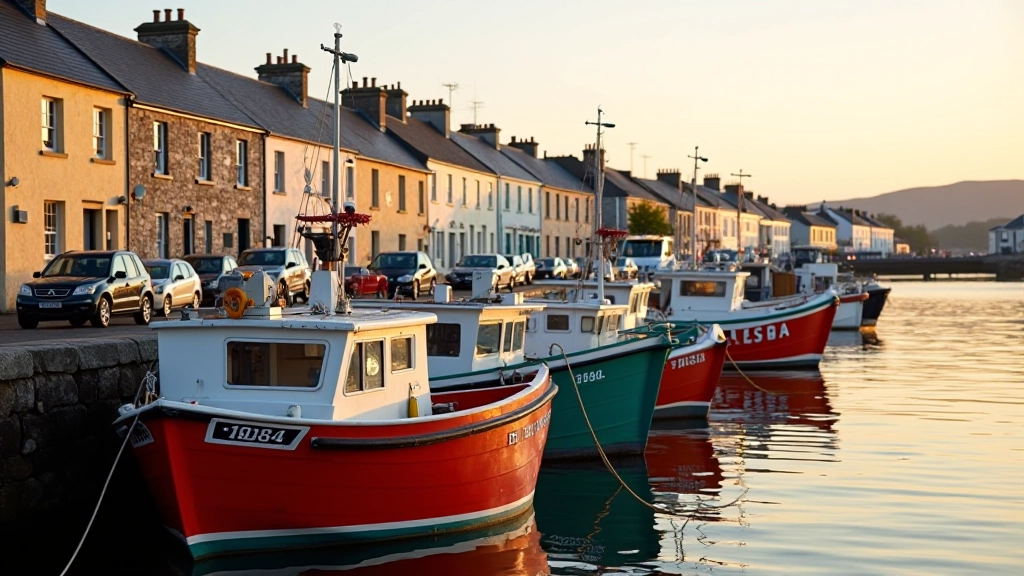
The docks walk isn't one long stretch. It's more like chapters. You start at Nimmo's Pier on the western side — this is where the energy kicks in. Fishing boats cluster here, especially around 7am when they're returning with the night's catch.
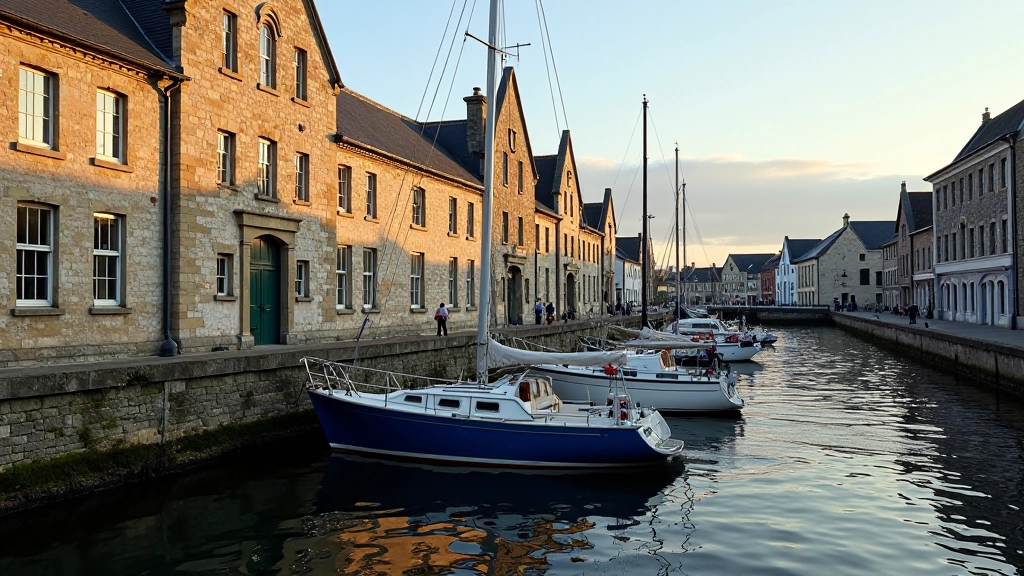
Head eastward along the waterfront and you'll pass through the working harbour zone. This is where you see the real Galway. Not the souvenir shops, but the rope suppliers, the boat repair workshops, the cafés where fishermen actually drink their morning coffee. You'll notice the architecture changes as you walk — some buildings are 200 years old, their stone worn smooth by salt air and time.
Pro tip: Walk slowly through this section. Stop and watch. You'll see things that happen quickly — a crane moving cargo, a fishing line being cast, a delivery truck backing up to a warehouse. These moments happen constantly, but you've got to be paying attention.
Reading the Boats and Activity
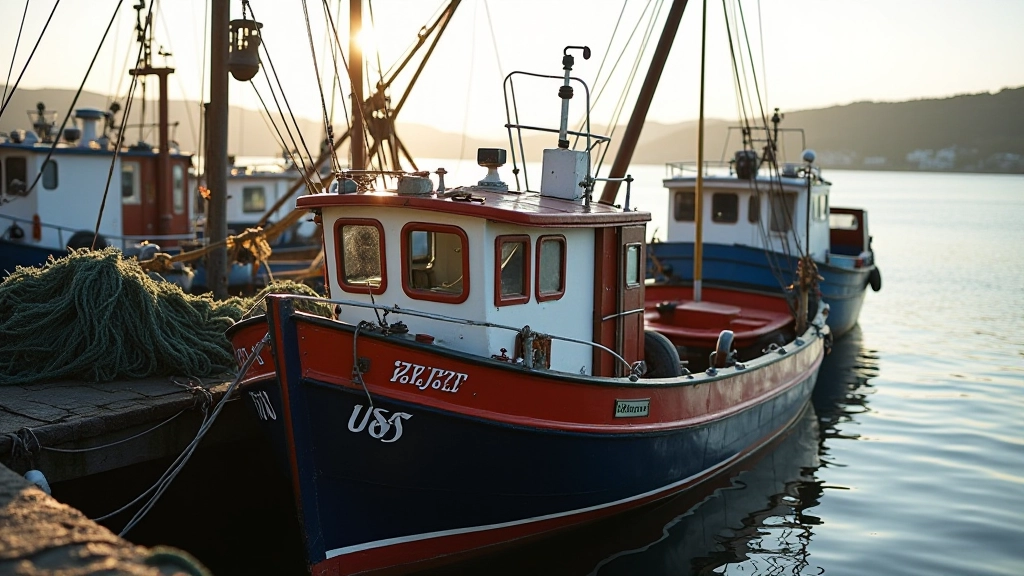
You don't need to know much about boats to enjoy watching them. But here's what you'll actually see: the small fishing boats (called trawlers) are typically 35-50 feet long. They're painted in bright colours — red, blue, yellow — so you can spot them from a distance. The bigger commercial vessels are rarer but impressive when they appear.
The real activity happens in phases. Early morning is peak time. Between 6am and 9am, you'll see boats returning, crews unloading, merchants buying fresh catch at the fish market. By mid-morning, things quiet down. Then late afternoon picks up again as boats prepare for evening departure. Midday? It's peaceful. Quiet. Almost empty. That's actually nice if you want a relaxed walk without dodging people.
Watch for the seagulls too. They're not just background noise. They're part of the economy. They follow the fish. Where gulls are diving and squawking, something's happening. It's a living system.
Rest Spots and Pacing Yourself
Here's what nobody tells you about dock walks: they're not tiring, but they're visually dense. Your eyes are constantly taking in detail — the boats, the buildings, the people, the water. After 45 minutes to an hour, you'll feel it, even if your legs don't.
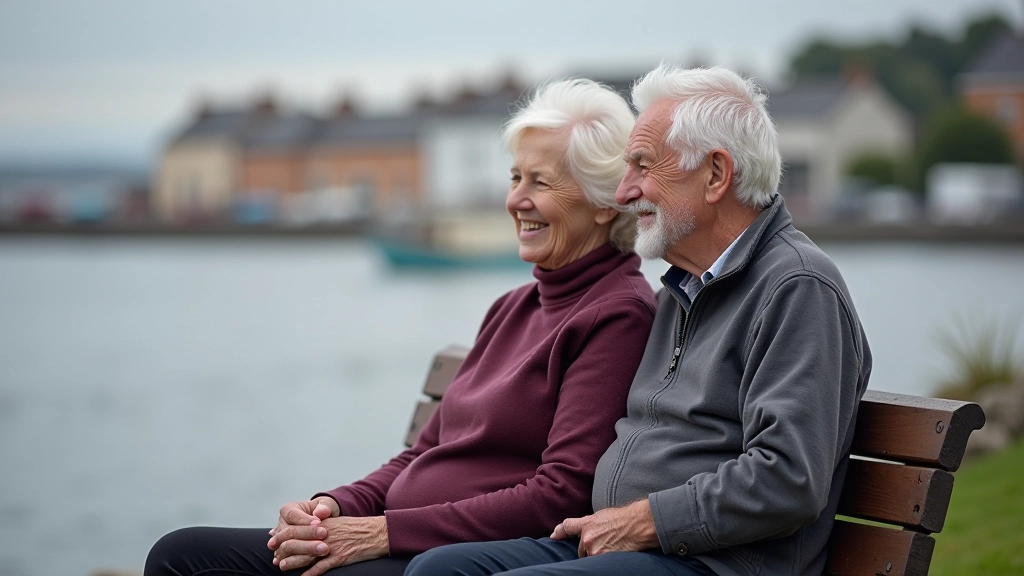
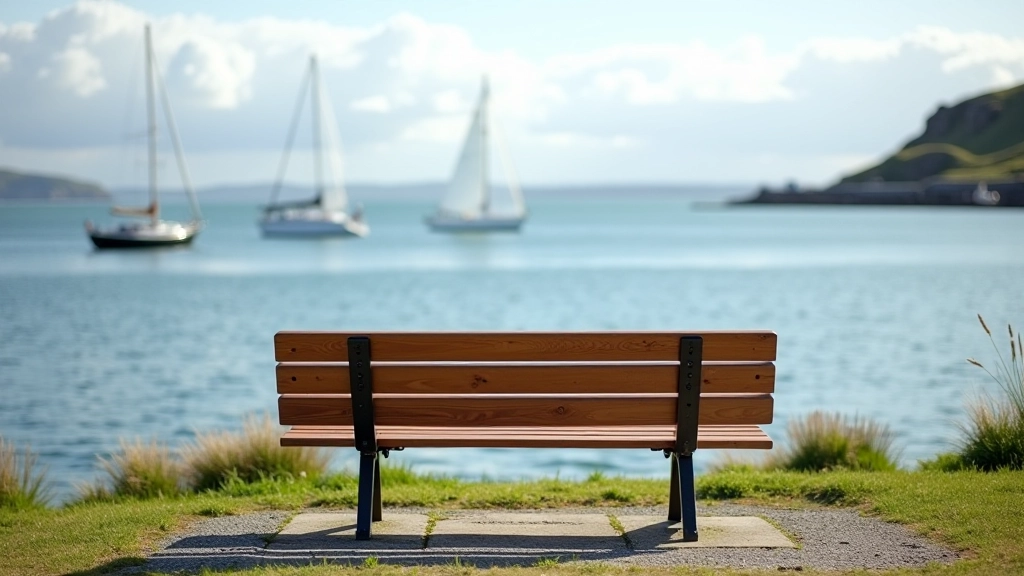
There are several spots to sit and rest. Nimmo's Pier has benches with direct views of the water. The Galway Dock Company area has a small plaza where you can sit. Further along, near Spanish Arch, there's a permanent seating area overlooking the bay. We recommend stopping at least twice during your walk — once at the 15-minute mark, once at the 30-minute mark.
Comfort matters: Bring water. The walk's flat and easy on joints, but sun exposure is real, especially on clear days. A light windbreaker helps — harbour wind can surprise you even on warm days.
What Makes This Walk Different
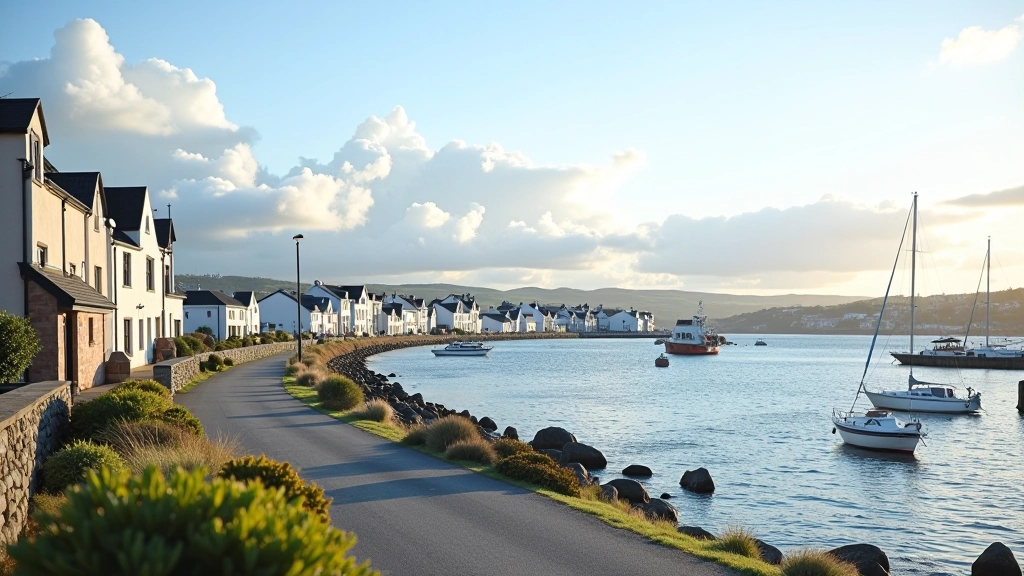
Most waterfront walks are designed for tourists. They're smooth, they're pretty, they're quiet. The Galway Docks are designed for work. That's exactly why they're worth your time.
You're not walking through a museum. You're walking through a place where things actually matter. Fishing families depend on these docks. Restaurants source their seafood here. The entire community is connected to this water in ways that go beyond tourism.
That means you'll see things that are real. Conversations in Irish. Boats with decades of character. Buildings that haven't been renovated because they don't need to be. You're not observing history — you're in the middle of it, watching it happen now.
Essential Tips for Your Visit
Time Your Walk
Early morning (6-9am) is peak activity. You'll see boats returning, crews working, real energy. Afternoon is quieter but still pleasant. Avoid midday heat if you're sensitive to sun.
Wear Good Shoes
The path is paved and flat, but you'll be walking for 45 minutes. Comfortable shoes matter more than you'd think. Avoid heels. Sneakers or walking shoes are perfect.
Bring Water and Sun Protection
The harbour has no shade. Water reflects sunlight. You'll need water and sunscreen even on cool days. A light layer helps with the wind that comes off the bay.
Bring Binoculars If You Bird Watch
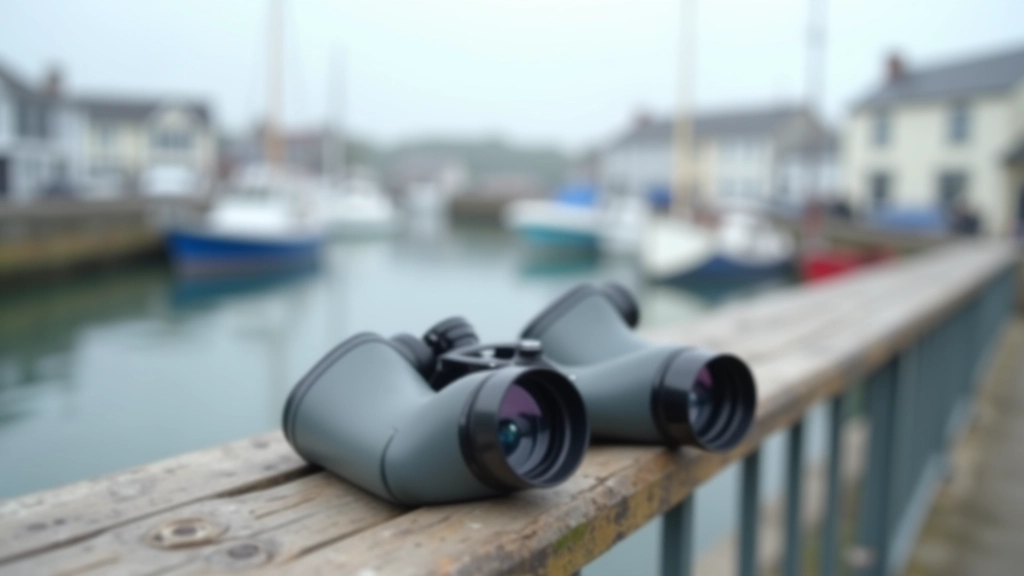
Seabirds are constant here. Bring binoculars if you're into that. You'll see cormorants, terns, and gulls. On rare days, you might spot herons or egrets.
Photography Moment
Golden hour (early morning or late afternoon) makes the best photos. The light hits the water and the stone buildings perfectly. Don't ask people to move for your shot — this is a working harbour.
Respect the Space
This isn't a tourist attraction. It's someone's workplace. Don't block boat access. Don't touch equipment. Don't interfere with work. A simple "good morning" to fishermen goes a long way.
Making It Memorable
The Galway Docks walk isn't about crossing something off a list. It's about understanding how a real place works. You're not just seeing the water and the boats. You're seeing the culture, the livelihood, the rhythm of a working harbour.
Most people visit Galway and stick to the obvious spots. The touristy areas. The restaurants. They miss this. They miss the sound of seagulls arguing over fish. The smell of salt and diesel. The conversations in Irish. The boats that have been working these waters for decades. The buildings that tell stories if you know how to read them.
You've got the map. You've got the timing. You've got the tips. What you need now is just to go. Walk slowly. Pay attention. Talk to someone if they seem open to it. Stop at the benches and just watch for a while. That's when the docks reveal themselves — not as a tourist destination, but as a living, working, authentic piece of Galway that's worth understanding.
Important Information
This guide is provided for informational purposes to help you plan a waterfront walk in Galway. Conditions, boat activity, and facility availability may vary depending on weather, season, and harbour operations. Always be aware of your surroundings and respect the working nature of the harbour. Bring appropriate footwear and sun protection. If you have mobility concerns, we recommend consulting local accessibility resources or contacting Galway tourism for current information about the route. Weather can change quickly near the water — check forecasts before you go.
Explore More Galway Walks