Birdwatching Along Galway Bay: What You'll See
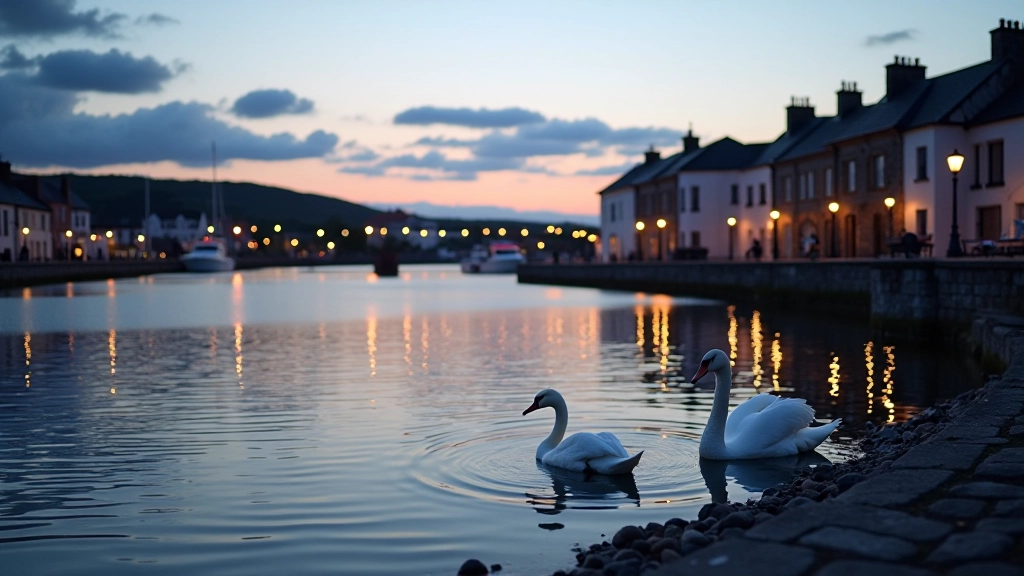
The waterfront attracts seabirds year-round. Learn which species you're likely to spot, the best times to watch, and why the bay's ecosystem makes it special for birdwatchers.

Why Galway Bay Is a Birdwatcher's Paradise
Galway Bay isn't just beautiful—it's genuinely alive with birds. The bay creates a unique ecosystem where Atlantic currents meet shallow waters, drawing dozens of species throughout the year. You don't need expensive equipment or expert knowledge to enjoy it. A decent pair of binoculars and an hour of patience will reward you with sightings that'll stick with you.
The best part? The birds don't care if you're 65 or 25. They're equally indifferent to everyone, which means you can watch at your own pace, take breaks on the benches dotted along the promenade, and still see remarkable things. We've mapped out what you'll actually encounter and when.
Species Count
Over 60 bird species recorded in Galway Bay waters
Best Season
Spring and autumn bring the most diverse visitors
Prime Viewing
The docks and Claddagh basin are hotspots year-round
Year-Round Residents You'll Definitely Spot
Some birds never leave Galway Bay. You'll see them whether you're walking in February or August. The herring gulls are the obvious ones—loud, confident, and everywhere. But look closer and you'll find cormorants diving for fish, their dark silhouettes cutting through the water with precision. Shags are similar but smaller, with a distinctive crest when breeding season arrives.
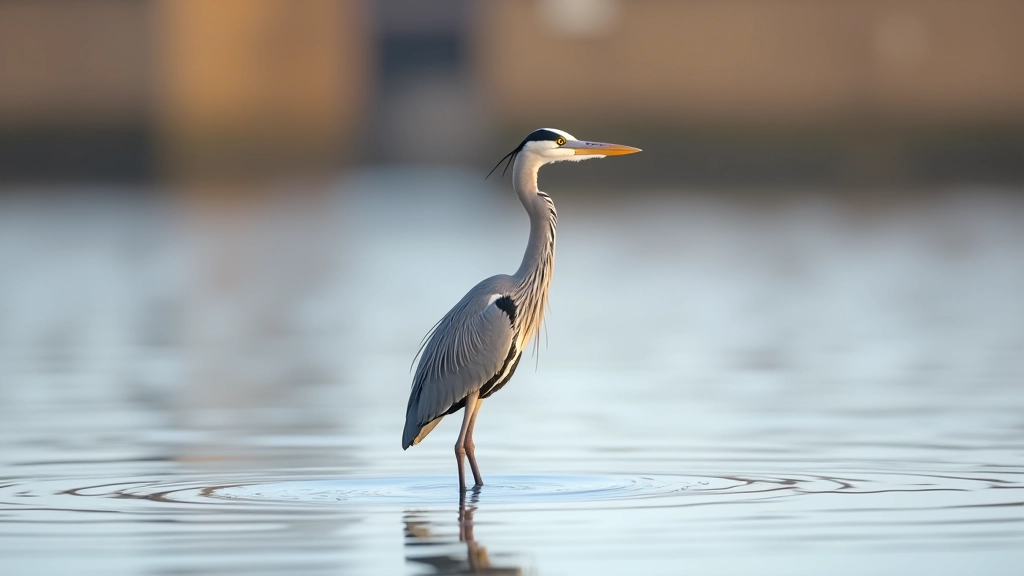
The grey herons are harder to miss once you know what to look for. They stand motionless in the shallows, waiting for small fish. It's mesmerizing to watch. Oystercatchers with their orange beaks work the rocky areas, making sharp calls that carry across the water. If you're patient enough to sit on one of the benches for 20 minutes, you'll see at least three of these species.
Herring Gulls:
Loud, adaptable, always present
Cormorants:
Sleek divers with wet feathers
Grey Herons:
Patient hunters in shallow water
Oystercatchers:
Striking orange beaks, energetic calls

Seasonal Visitors That Change Everything
Spring brings an explosion of activity. Migrants arrive hungry and tired after their Atlantic crossing. You'll see sandpipers, dunlins, and various plovers working the mudflats looking for food. These smaller waders are trickier to identify, but that's half the fun. Bring a field guide or download a birdwatching app—there's no shame in checking.
Autumn is equally spectacular. Some birds head south while others arrive from the Arctic. Red-throated divers appear in small numbers, and if you're lucky, you might spot a great northern diver. The light is different in autumn too—lower, softer, golden. It makes photography easier and the whole experience feels more contemplative.
Pro tip: Early morning (6-8 AM) is when birds are most active. They're hungry and less disturbed. Bring coffee in a thermos and settle in before the day gets crowded.
Best Viewing Spots and What to Bring
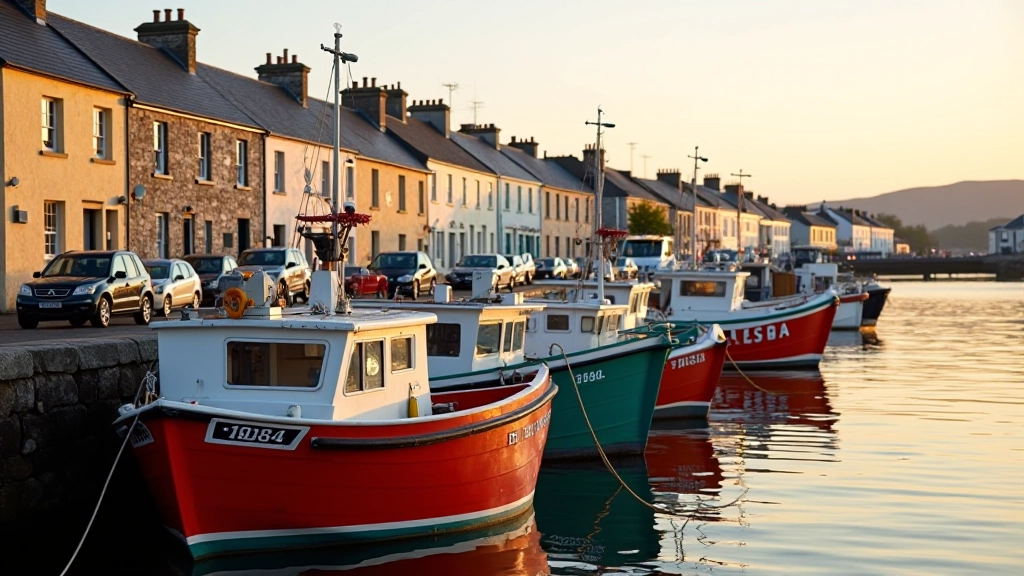
The Galway Docks offer shelter and consistent activity. You're protected from wind by the buildings, and there are benches at regular intervals. The Claddagh basin is quieter, more intimate. If you want the full bay view without industrial backdrop, head to Salthill Promenade—it's open but there's a wall to lean against.
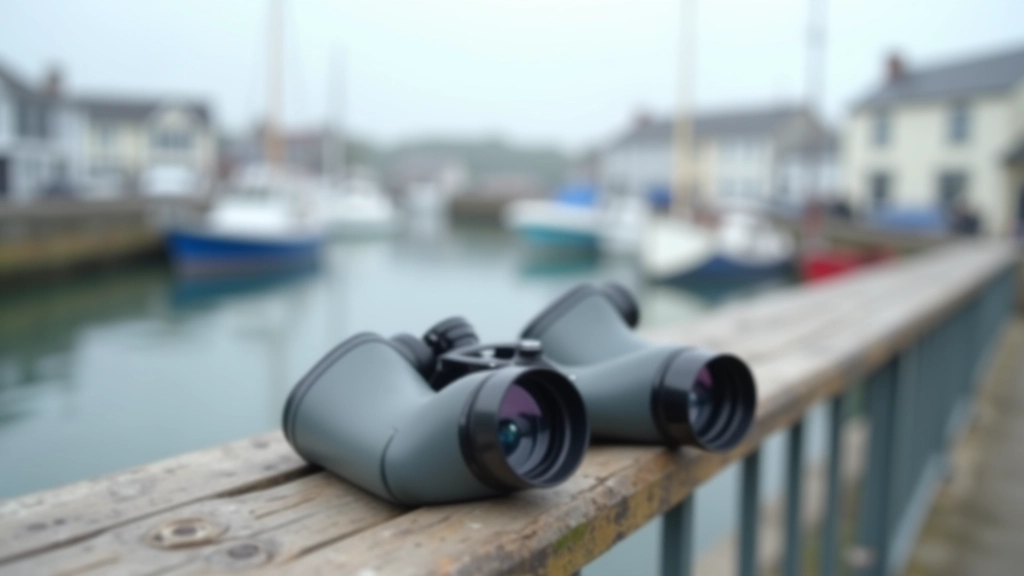
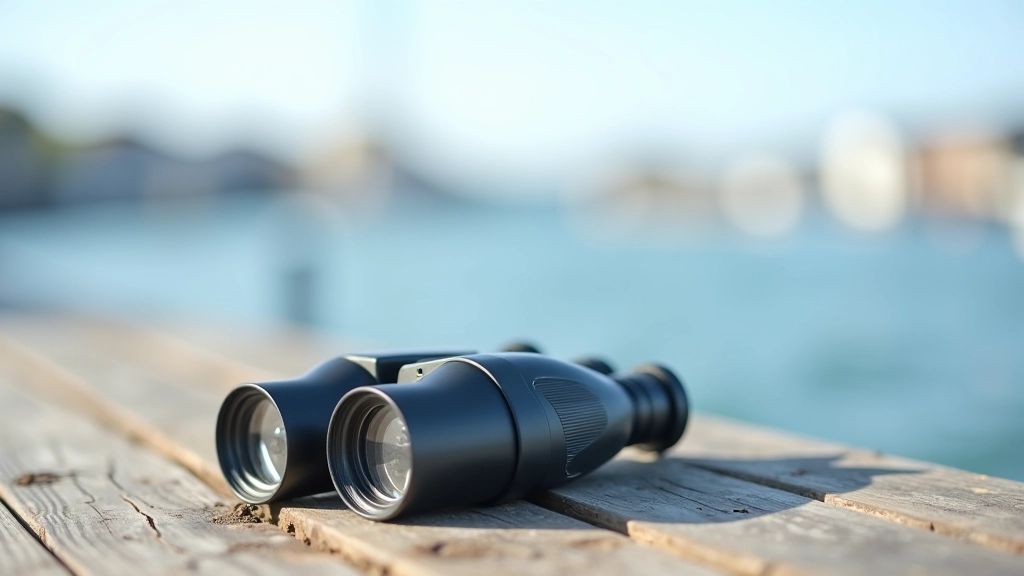
What you'll actually need isn't complicated. Binoculars are essential—you don't need £500 ones, just something that doesn't make distant birds look like blobs. A small notebook works better than you'd expect. Jotting down what you saw helps you remember and builds your personal bird list. Comfortable shoes matter more than you think. Even 90 minutes of standing changes your feet.
1
Choose Your Spot
Docks for activity, Claddagh for peace, Salthill for views
2
Bring Basic Gear
Binoculars, notebook, comfortable shoes, warm layers
3
Stay Calm and Patient
Sudden movements scare birds. Sit, watch, let them come to you
4
Document and Learn
Note colors, size, behavior. Check a field guide afterward
Understanding the Bay's Ecosystem
Galway Bay isn't random bird habitat. It's a functioning ecosystem that works because of specific conditions. The bay's shallow waters warm faster than deeper ocean, attracting small fish. Mudflats exposed at low tide provide feeding grounds for waders. The rocky outcrops and islands offer nesting sites. When you understand this, watching birds becomes more interesting. You're not just spotting pretty creatures—you're watching a system in action.
The tides matter hugely. Two hours before low tide is often peak feeding time. Birds know the rhythm better than any birdwatcher ever will. You'll notice the same species in similar spots at similar times if you visit regularly. This predictability makes it easier. You're not hunting randomly. You're observing patterns.
Shallow Waters
Warm faster, attract small fish, create ideal feeding conditions
Mudflats
Exposed at low tide, provide abundant food for waders
Islands & Rocks
Nesting sites and safe resting places for seabirds
Practical Tips for Better Birdwatching
1
Dress for Weather
Layers work best. The bay creates wind even on calm days. Neutral colors blend better than bright clothing.
2
Move Slowly
Quick movements scare birds away instantly. Smooth, deliberate motions work better.
3
Use Available Cover
Stand behind railings or buildings. Birds are less wary when you're partially hidden.
4
Check the Tides
Low tide reveals mudflats. Peak activity is 2 hours before low tide.
5
Download an App
Merlin Bird ID works offline. It'll help you confirm what you're seeing.
6
Visit Multiple Times
Different times of day and seasons reveal different species. Pattern emerges over time.
Why You Should Give It a Try
Birdwatching along Galway Bay isn't complicated. It doesn't require expensive gear or years of study. What it does offer is a reason to spend time on the waterfront without pressure. You're not trying to "achieve" anything. You're observing, noticing, learning. For people who've spent their careers rushing, that's refreshing.
The bay's birds don't care if you're a beginner or an expert. They'll perform their routines regardless. Your job is simply to show up, be patient, and pay attention. You'll be surprised how quickly you start recognizing individuals. That gull with the injured foot. The heron that always fishes the same corner. The cormorant pair that returns to the same rock. They're not just birds anymore. They're neighbors with routines you've learned.
Start with the Galway Docks or Claddagh basin. Go in the morning if you can. Bring your binoculars and a notebook. Sit. Watch. You'll understand quickly why people keep coming back.
Disclaimer
This article is intended for educational and informational purposes. Species identification can be challenging, especially for beginners, and identifications made in this guide are based on typical characteristics and behaviors. Local birdwatching conditions, species presence, and migration patterns may vary seasonally and year to year. Always respect wildlife—maintain a safe distance from birds, follow local guidelines, and observe from designated public areas only. Weather and water conditions along Galway Bay can change rapidly; plan accordingly and prioritize your safety. If you're new to birdwatching, consider joining a local birdwatching group for hands-on guidance.
Explore More Galway Marina Walks